

It also reflects a company’s dividend policy by showing its decision to pay profits earned as dividends to shareholders or reinvest the profits back into the company. On the balance sheet, shareholders’ equity is broken up into three items – common shares, preferred shares, and retained earnings. Stockholders’ equity provides insight into the company’s book value, calculated as retained earnings total assets minus total liabilities. The expanded accounting equation is an extension of the basic accounting equation that gives more detail about stockholders’ equity. It shows how equity is made up of things like capital and retained earnings. It also helps explain whether profits are paid out as dividends or reinvested back into a business.

Equity Formula
These include components that are not reflected in the income statements but affect the financial health of the companies. The SE ratio measures the proportion of a company’s total assets financed by SE (rather than debt). Current and long-term assets are two main categories on a company’s balance sheet.Let’s go over each of them. During a liquidation process, the value of physical assets is reduced, and there are other extraordinary conditions that make the two numbers incompatible.
Negative shareholders’ equity
To compute total liabilities for this equity formula, add the current liabilities such as accounts payable and short-term debts and long-term liabilities stockholders equity equation such as bonds payable and notes. By comparing total equity to total assets belonging to a company, the shareholders equity ratio is thus a measure of the proportion of a company’s asset base financed via equity. If we rearrange the balance sheet equation, we’re left with the shareholders’ equity formula. The balance sheet formula states that the sum of liabilities and owner’s equity is equal to the company’s total assets. A balance sheet helps you understand a company’s financial position at a single point in time.
How Do Stock Buybacks Impact Shareholders Equity?
- Shareholders’ Equity is dynamic, changing every period based on a few distinct categories of business transactions.
- Further, the Shareholder’s purchase of company stock over a period gives them the right to vote in the board of directors elections and yields capital gains for them.
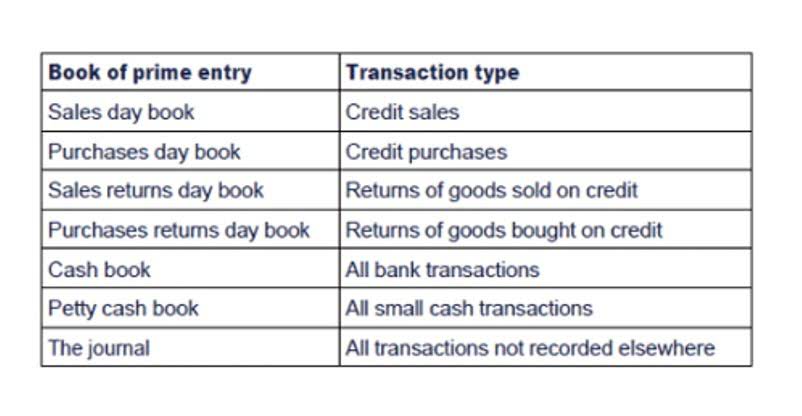
- A company selling merchandise on credit will record these sales in a Sales account and in an Accounts Receivable account.
- The day a share trades without having the option to collect a declared dividend.
- Due to their reduced expenses, newer or conservatively run businesses may not need as much capital to generate free cash flow.
These options are the balance sheet method, the accounting equation method, and the summation of equity components method. If this figure is positive, the company has sufficient assets to cover its liabilities. If this figure is negative, its liabilities exceed its assets; this can deter investors who view such Mental Health Billing companies as risky.
How Do You Calculate a Company’s Equity?
- This is especially true of companies that have been in business for many years.
- Now let’s talk about shareholders equity, often known as shareholder’s capital or net assets.
- A balance sheet provides a snapshot of what a company owns (assets), what it owes (liabilities), and the value left for the owners (shareholders’ equity).
- The draws and dividends are not expenses and will not appear on the income statements.
- Let us take the annual report of Apple Inc. for the period ended on September 29, 2018.
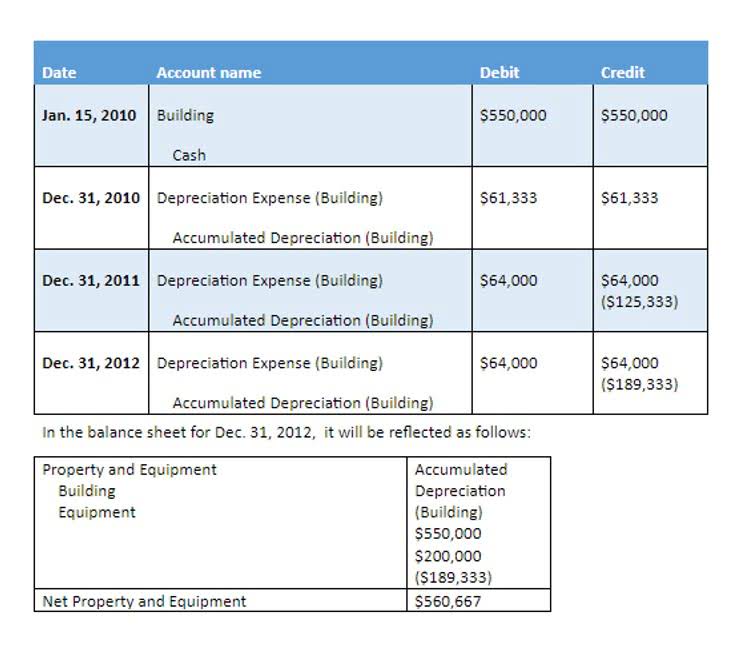
- The purpose is to allocate the cost to expense in order to comply with the matching principle.
The more a company generates profits and has a positive net income, the value of the shareholders equity will increase. Typically, a company will use its retained earnings to finance its operations, keep a working capital reserve, purchase equipment or assets, pay back debt and pay for ongoing business operations and needs. Retained earnings represent the total amount of money generated by a company from its operations and not distributed to shareholders as dividends. We refer to a company’s equity (business net worth or company book value) as the shareholders equity. A company’s shareholder equity account is initially set with the founder or founders’ initial investment. The certificate would indicate the type of stock (common, preferred), any restrictions pertaining to the sale of the stock, the number of shares, the par value, etc.